
European Education Hub
European Education Hub è un centro di formazione professionale situato nel cuore di Berlino, specializzato in programmi Erasmus+ per insegnanti e studenti.
Attraverso approcci educativi innovativi e anni di esperienza, offriamo corsi di alta qualità che combinano sviluppo professionale con esperienze culturali arricchenti.
Puntiamo a promuovere metodologie educative innovative, inclusive e orientate al lifelong learning che rafforzano comunicazione, autonomia e collaborazione.
Unlocking Potential Through Education
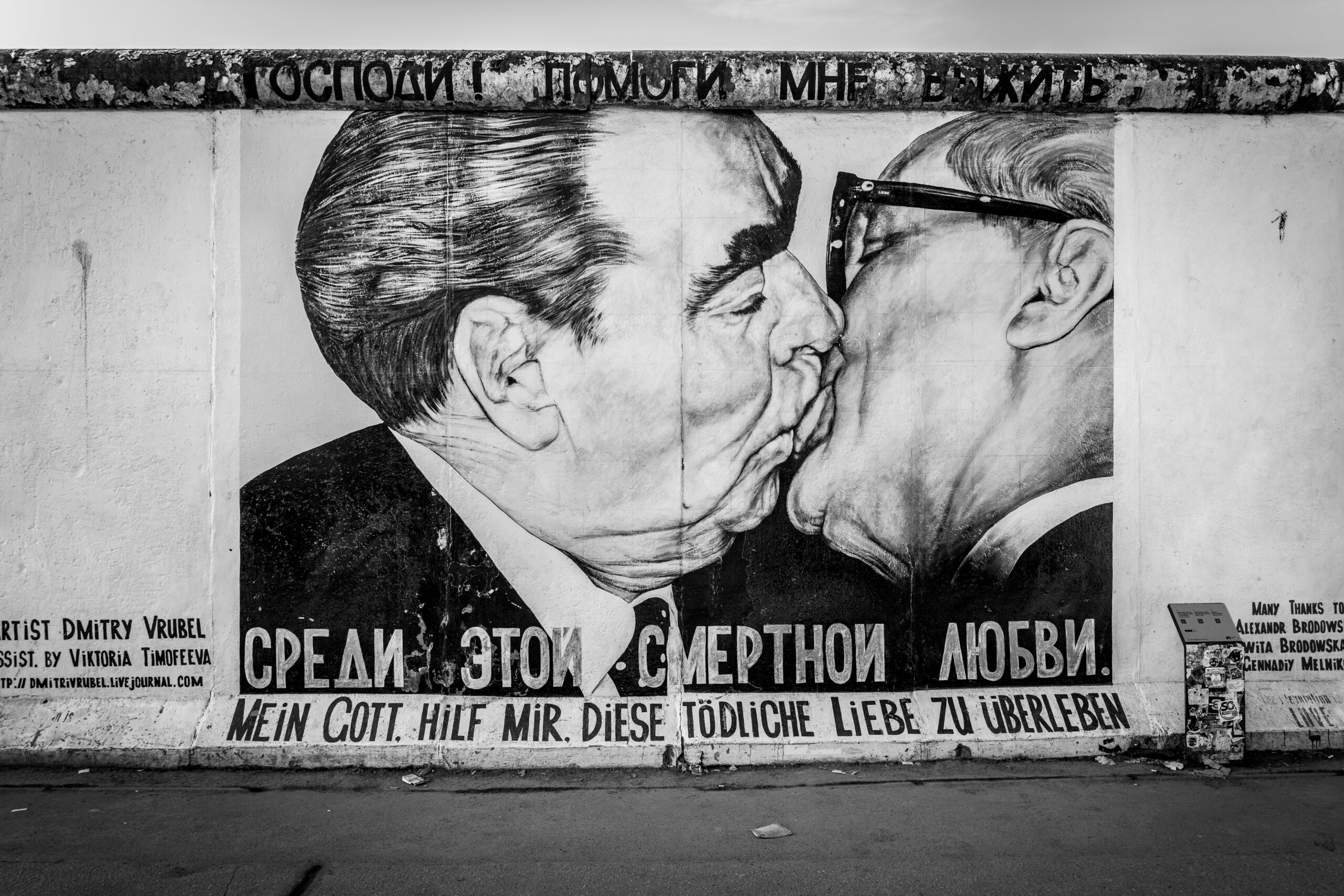
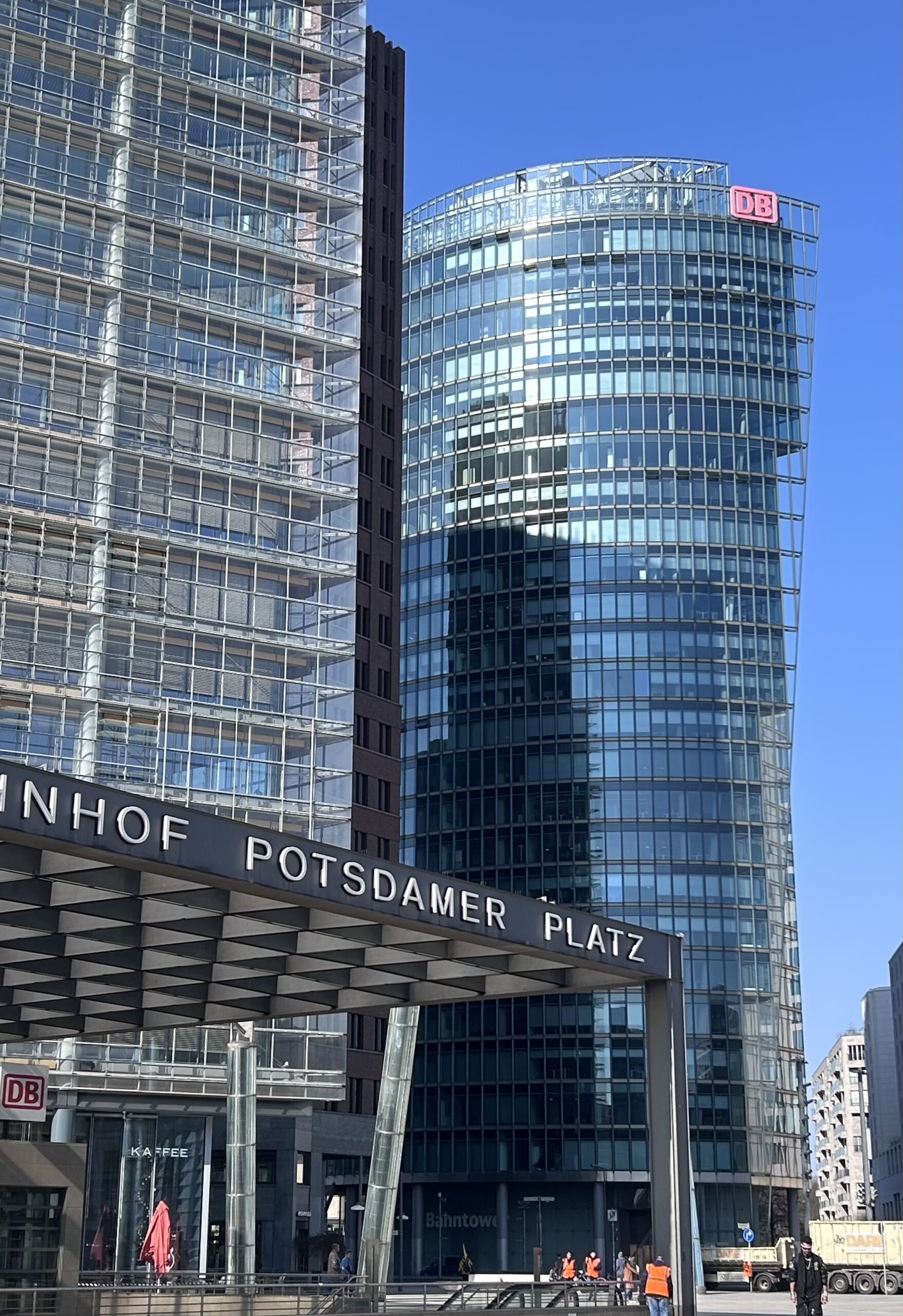
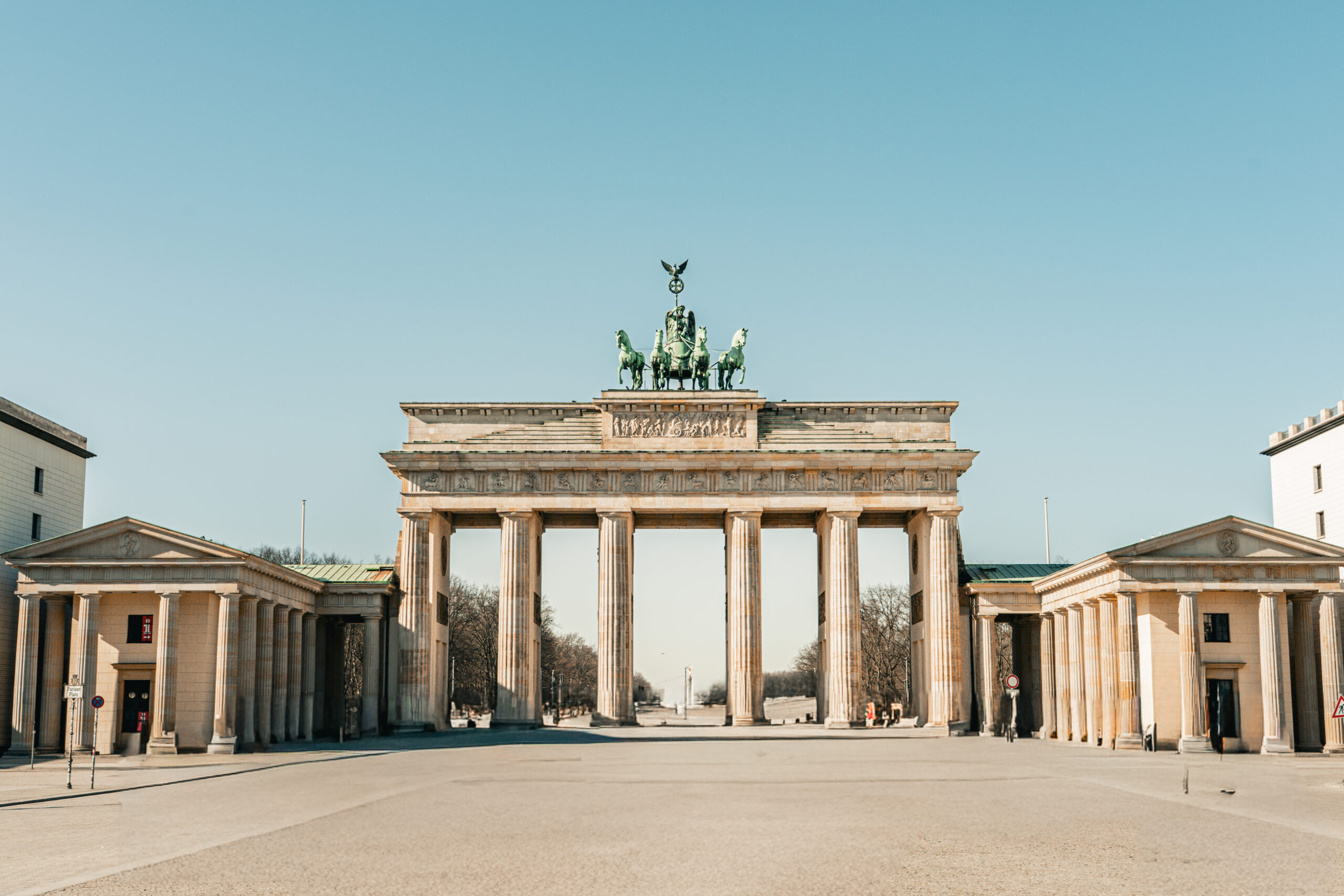
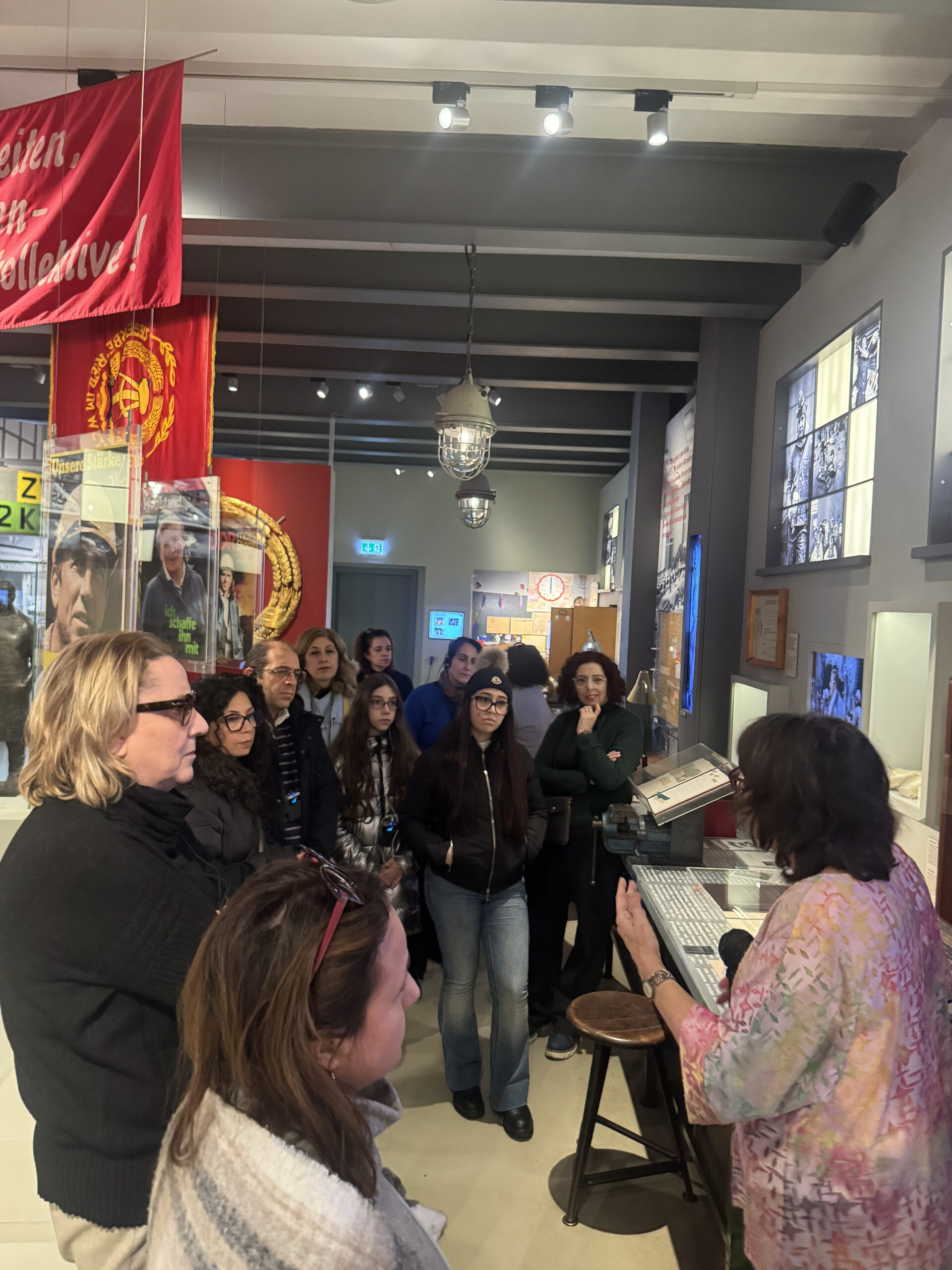
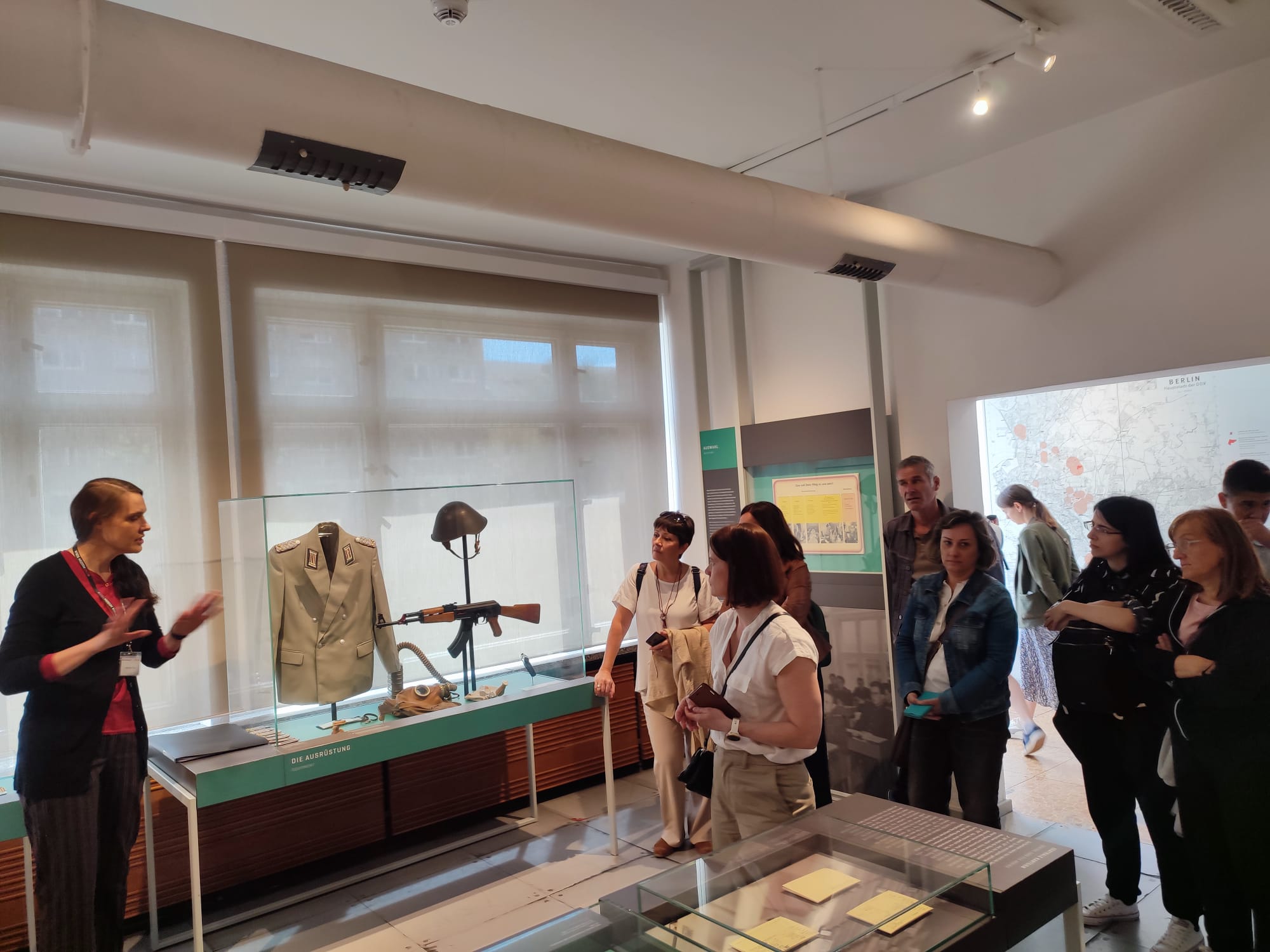
Berlino è una delle capitali europee più dinamiche, creative e accessibili. Qui la formazione si intreccia con la cultura, l'innovazione e la memoria storica.

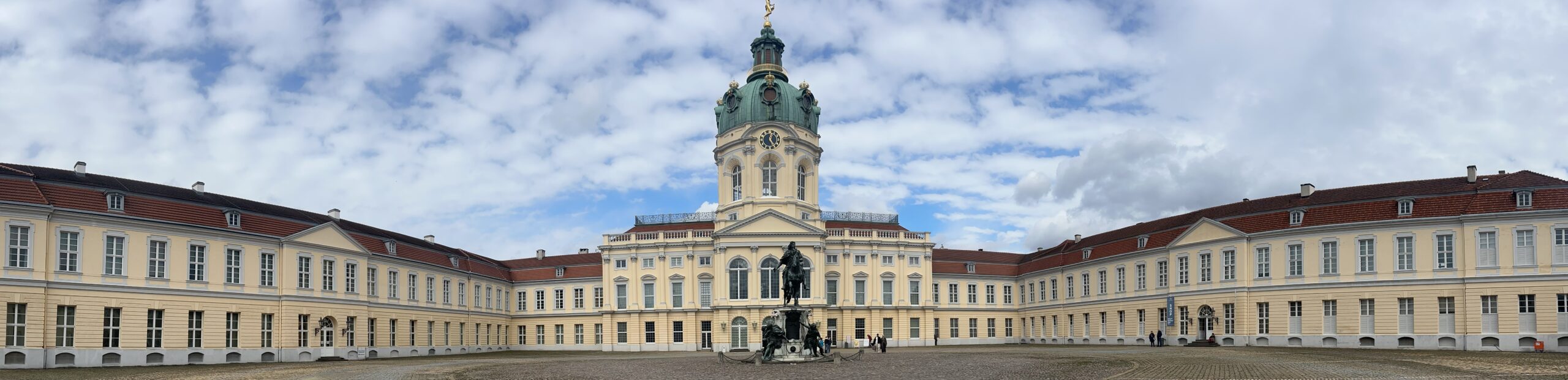
Un'ampia gamma di opportunità per arricchire le vostre competenze e affrontare nuove sfide professionali, nel cuore di Berlino.
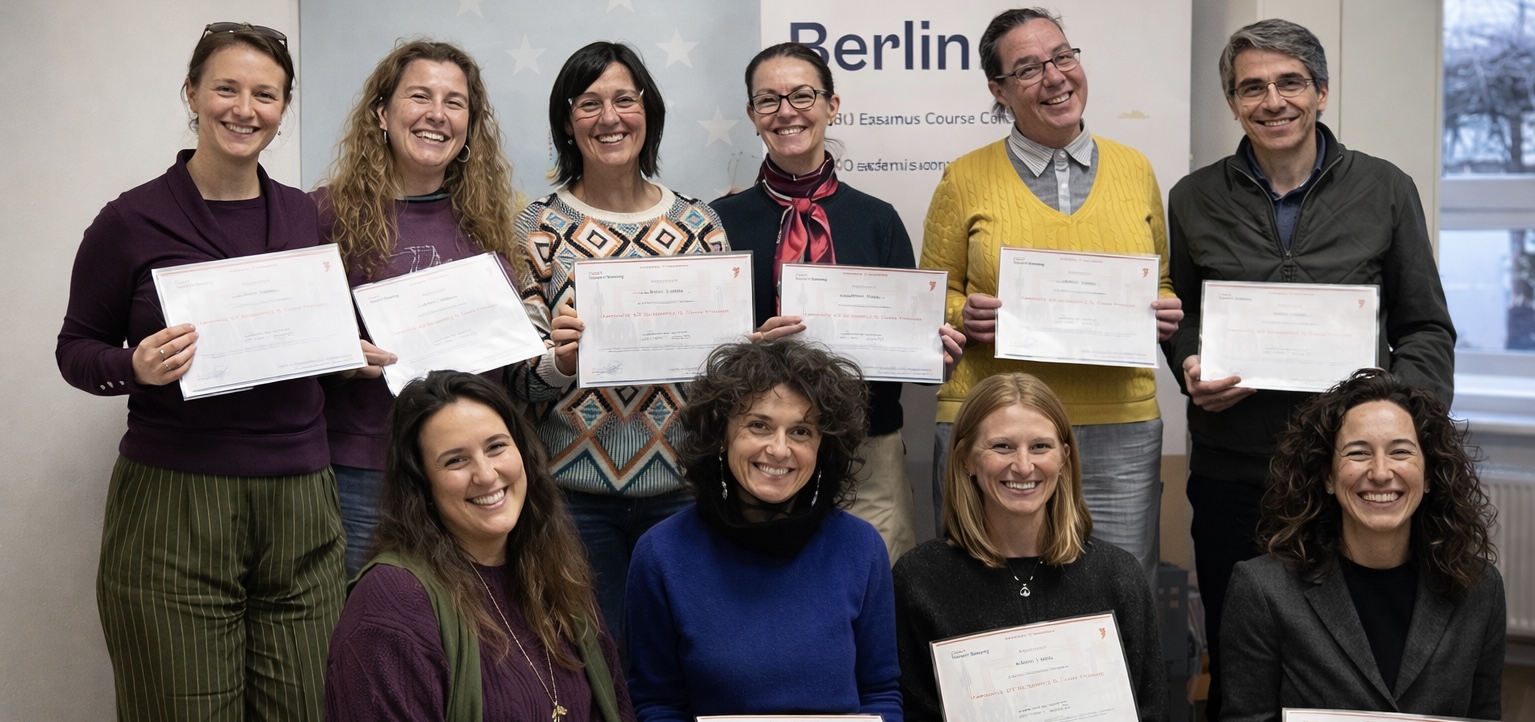
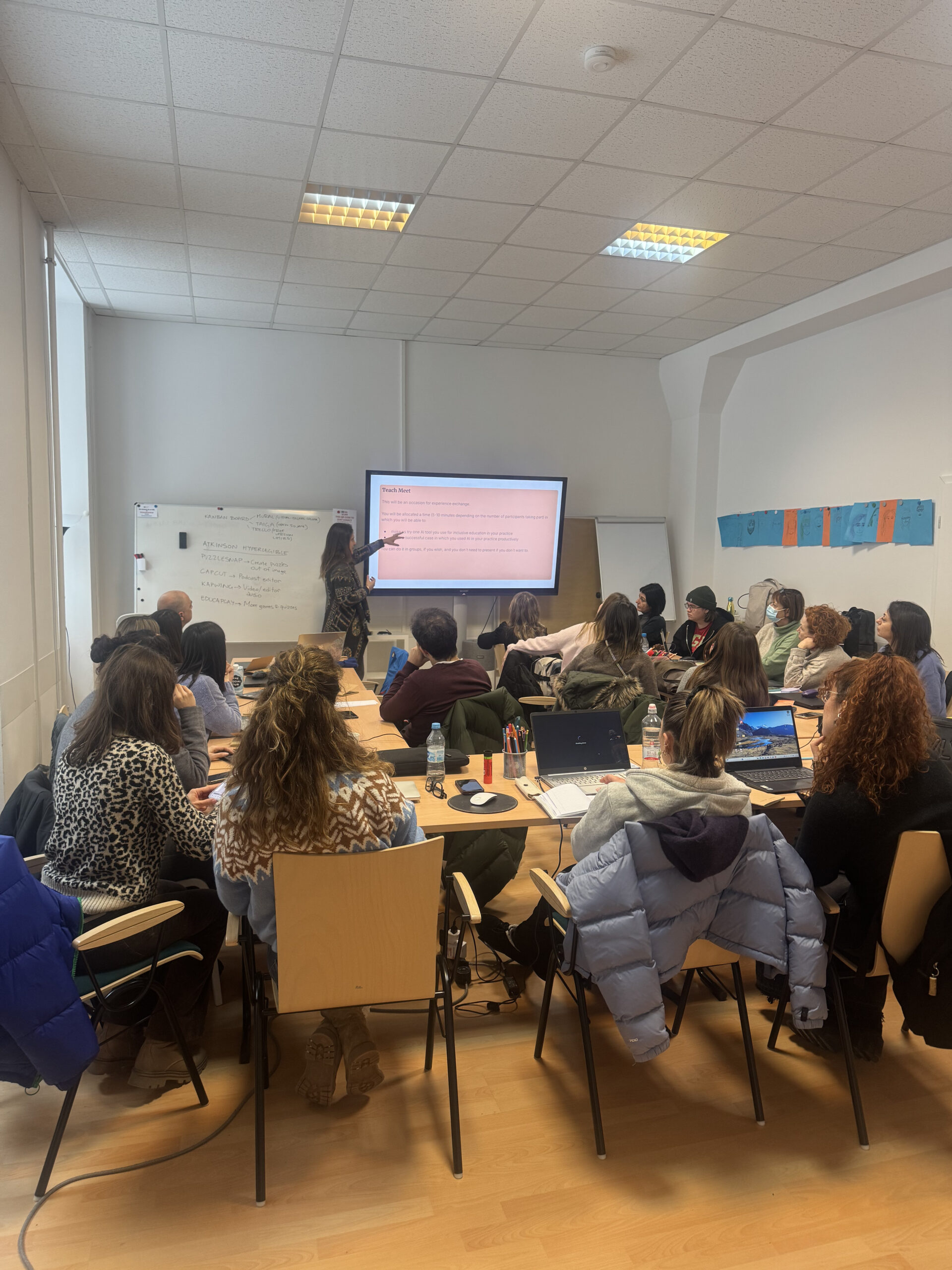
European Education Hub, in collaborazione con Europass Teacher Academy, offre corsi di formazione professionale per insegnanti nell'ambito dei progetti Erasmus+ KA1. Questi corsi, generalmente tenuti in inglese ma disponibili su richiesta anche in italiano o tedesco, coprono diverse aree tematiche.
Europass Teacher Academy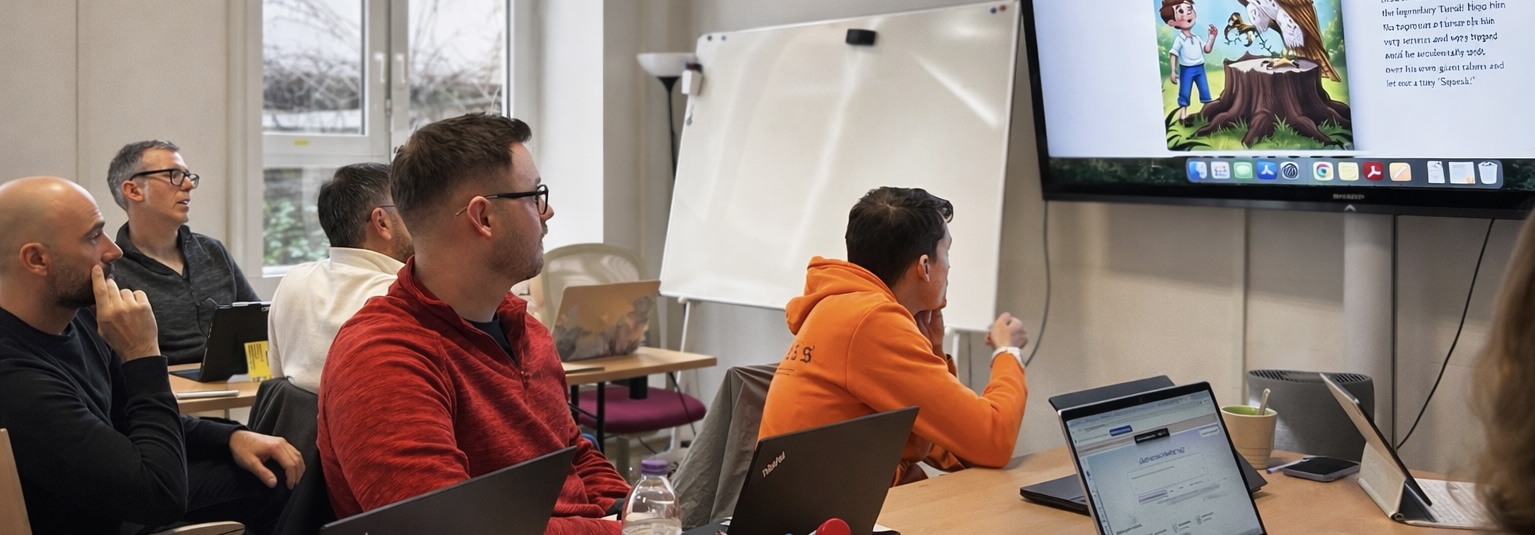
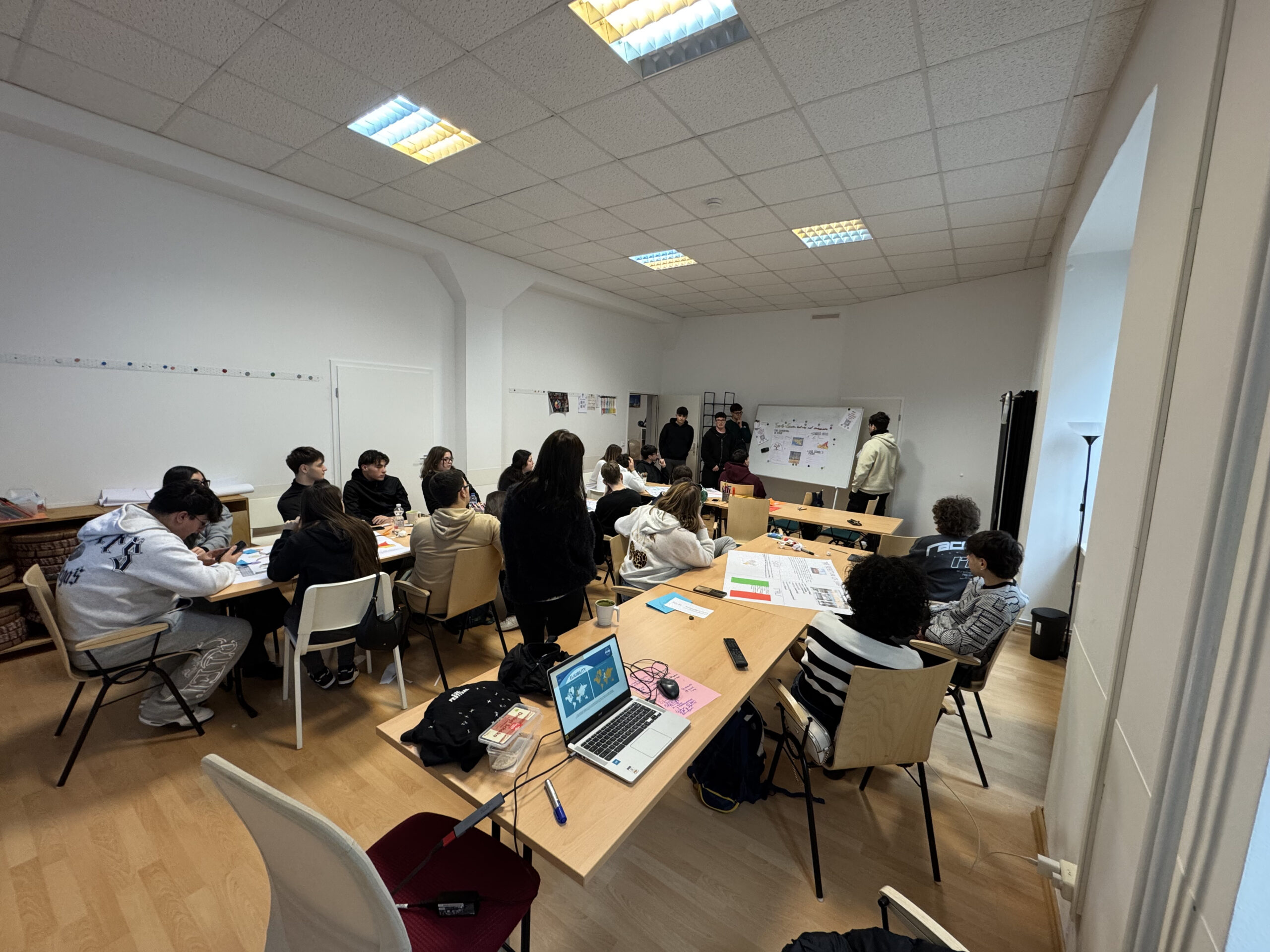
Supportiamo studenti e gruppi nella loro esperienza a Berlino con soluzioni personalizzate, inclusi alloggio, tirocini, tutoraggio e attività culturali.
Scopri di piùTraining courses in Berlin for teachers, educators, students and education professionals, focused on professional development and Europe's cultural heritage.
Europass offre una vasta gamma di programmi progettati per rafforzare le competenze e sostenere la crescita professionale degli educatori. I nostri corsi internazionali sono erogati in inglese, con tedesco e italiano disponibili su richiesta.
I corsi sono organizzati in collaborazione con Europass Teacher Academy, una delle principali istituzioni europee per la formazione degli insegnanti.
Scopri Berlino attraverso una combinazione unica di formazione, esperienza professionale e immersione culturale in una delle città più dinamiche e innovative d'Europa.
Berlino è una vibrante metropoli internazionale, rinomata per la sua diversità, creatività e spirito di innovazione. Come uno dei principali hub europei per start-up, trasformazione digitale, industrie creative e imprenditoria sociale, la città offre straordinarie opportunità per i programmi Erasmus+, PCTO e di mobilità internazionale.
Stage, tirocini, esperienze di job shadowing, visite aziendali e attività di apprendimento basato sul lavoro possono essere integrati perfettamente in programmi di mobilità su misura, permettendo ai partecipanti di combinare la formazione con l'esperienza pratica in un contesto internazionale stimolante.
European Education Hub partecipa attivamente a progetti KA2 e Jean-Monnet.
Attualmente, European Education Hub partecipa a numerosi progetti europei nel campo dell'istruzione. In qualità di partner, supportiamo le organizzazioni leader di questi progetti occupandoci di diversi ambiti.
In particolare, ci occupiamo della diffusione e della traduzione dei risultati finali, della gestione dei progetti e dell'organizzazione di corsi di formazione ed eventi legati ai progetti.
Cooperazione per l'innovazione e le buone pratiche
Eccellenza nell'insegnamento degli studi europei
Traduzione e dissemination dei risultati finali
Partenariati strategici per promuovere l'innovazione e la cooperazione transfrontaliera tra educatori e formatori europei.
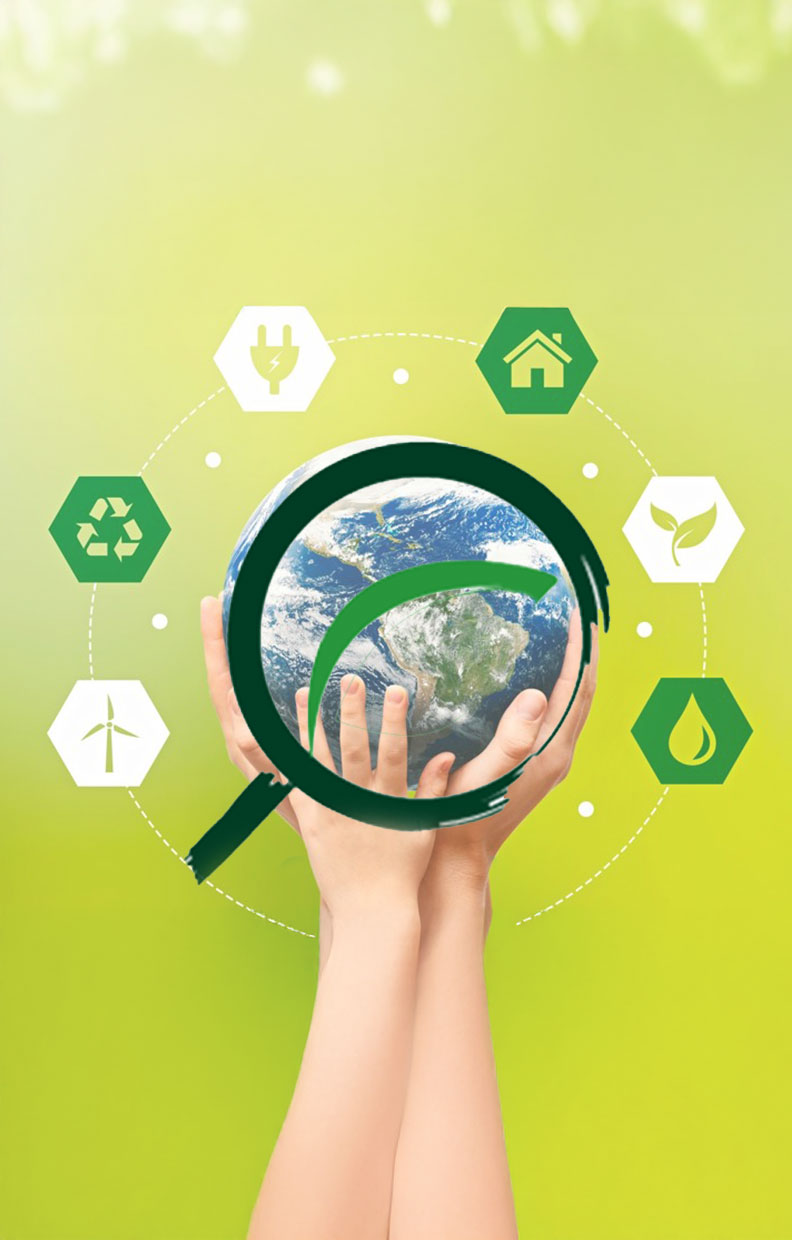
Sensibilizzare adulti e cittadini europei sul greenwashing, pratica ingannevole delle aziende che fingono di essere ecologiche.
Ponte di co-creazione tra docenti, studenti e famiglie per gestire il benessere mentale e la diversità in classe tramite coaching.

Combattere il phubbing (ignorare gli altri per il cellulare) per migliorare lo sviluppo infantile e la qualità delle relazioni educative.
Gamification in aula con Educational Table Escape Rooms (ETER) per insegnare sostenibilità, storia e scienze in modo coinvolgente.
Trasformare la sostenibilità in opportunità di lavoro reale per adulti: identificare green jobs e fornire gli strumenti per lanciare un'impresa verde.

Sviluppo professionale dei docenti attraverso mentoring peer-to-peer, innovazione digitale e apprendimento del tedesco come ponte verso nuove culture.
Co-creation for Inclusion — Potenziare docenti e genitori attraverso il coaching collaborativo per rilevare rischi e celebrare la diversità.
To Teach Being a Citizen in Waste Economy is To Touch Life
Erasmus+ KA202 Strategic Partnership for Adult Education
Nr. 2021-1-DE02-KA220-ADU-000035116
La pandemia ha causato un aumento degli sprechi. Il progetto facilita il coinvolgimento dei cittadini nella gestione dei rifiuti e nell'economia circolare.
Sviluppa e impiega soluzioni innovative per la formazione professionale e sociale di persone escluse e svantaggiate.
Operational Program Knowledge Education Development
Axis nr. IV, funding nr. W.264.II.2019
Il progetto è indirizzato a formatori ed educatori che lavorano con persone con disturbi psichici, usando metodi basati sull'uso dell'arte come terapia.
Supporta le donne nello sviluppo di soft skills necessarie nell'ambiente lavorativo per rompere il soffitto di vetro.
Obiettivi:
Sviluppa e implementa un modello educativo basato sulla flipped classroom per la formazione professionale.
Erasmus+ KA220-VET – Cooperation partnerships in vocational education and training
Nr. 2021-1-SK01-KA220-VET-000034712
Realizzare nuove linee guida per i training internazionali in ambito dell'Azione Chiave 1.
Erasmus+, KA202 Strategic Partnership for VET
Nr. 2020-1-RO01-KA202-079981
Accresce la motivazione, il coinvolgimento e la partecipazione degli studenti adulti integrando umorismo.
Erasmus+ KA220-ADU – Nr. 2021-1-DE02-KA220-ADU-000027017
Supporta insegnanti privati e freelance fornendo maggiori competenze pedagogiche.
Crea strumenti per incrementare lo sviluppo professionale dei tutor.

Combatti le fake news sull'immigrazione in Europa raccontando l'immigrazione con occhi diversi.
Erasmus+ KA227 Partnerships for Creativity

Development of social and emotional skills in adult training
Nr. 2021-1-DE02-KA220-ADU-000035095
Promuove un approccio pedagogico innovativo nell'insegnamento delle materie STEM.
Nr. 2021-1-IT02-KA220-SCH-000032535
L’azione chiave 2 (KA2) sostiene partenariati strategici per promuovere l’innovazione, l’imprenditorialità e la cooperazione transfrontaliera. European Education Hub è partner e coordinatore di progetti KA2 e collabora con numerose scuole e organizzazioni internazionali.
Vuoi partecipare a un progetto Erasmus+? Contattaci"Il corso a Europass è stato fantastico — molto completo, con tante attività pratiche. La professoressa Anita era gentilissima e paziente, e ci ha dato ottimi consigli sia per il corso di IA che per muoverci per Berlino."

"Buena experiencia en el curso de Podcast en particular, y con todo el servicio y trabajadores en general. Ambiente cálido y paciente con los que no controlamos totálmente el inglés. Recomendable!"

"Un'esperienza estremamente positiva all'Accademia per Insegnanti Europass di Berlino. Crescita professionale e personale unica. Un ringraziamento speciale a Melissa per il suo supporto straordinario."

Un team internazionale di professionisti dedicati all'eccellenza educativa.
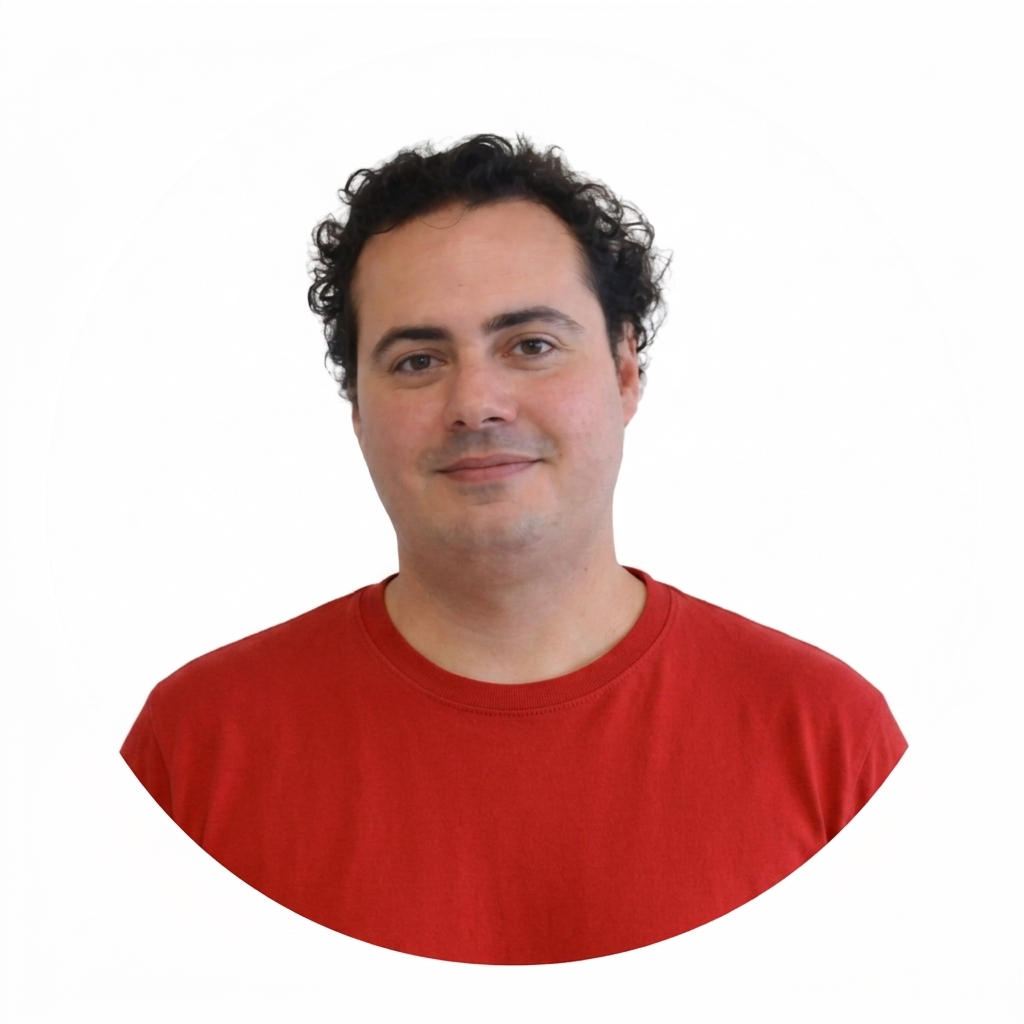
Direttore
Guida strategica e coordinamento delle attività di European Education Hub.

Direttore esecutivo e responsabile progetti
Gestione esecutiva e sviluppo di progetti europei strategici.

Formatrice e responsabile progetti europei
Coordina i progetti Erasmus+ e la formazione docenti.

Capo formatori e responsabile del centro
Supervisione del team di formatori e gestione del centro.

Office Manager
Gestione operativa e amministrativa del centro.

Formazione e supporto agli studenti
Supporto didattico e accompagnamento per studenti internazionali.

Esperto e formatore in beni culturali
Specializzato in patrimonio culturale e musei educativi.

Esperto e formatore in arte e beni culturali
Arte come strumento di comunicazione e apprendimento.

Teacher Trainer in Berlin
Educatrice innovativa e digital storyteller con 8+ anni nell'educazione giovanile e degli adulti.
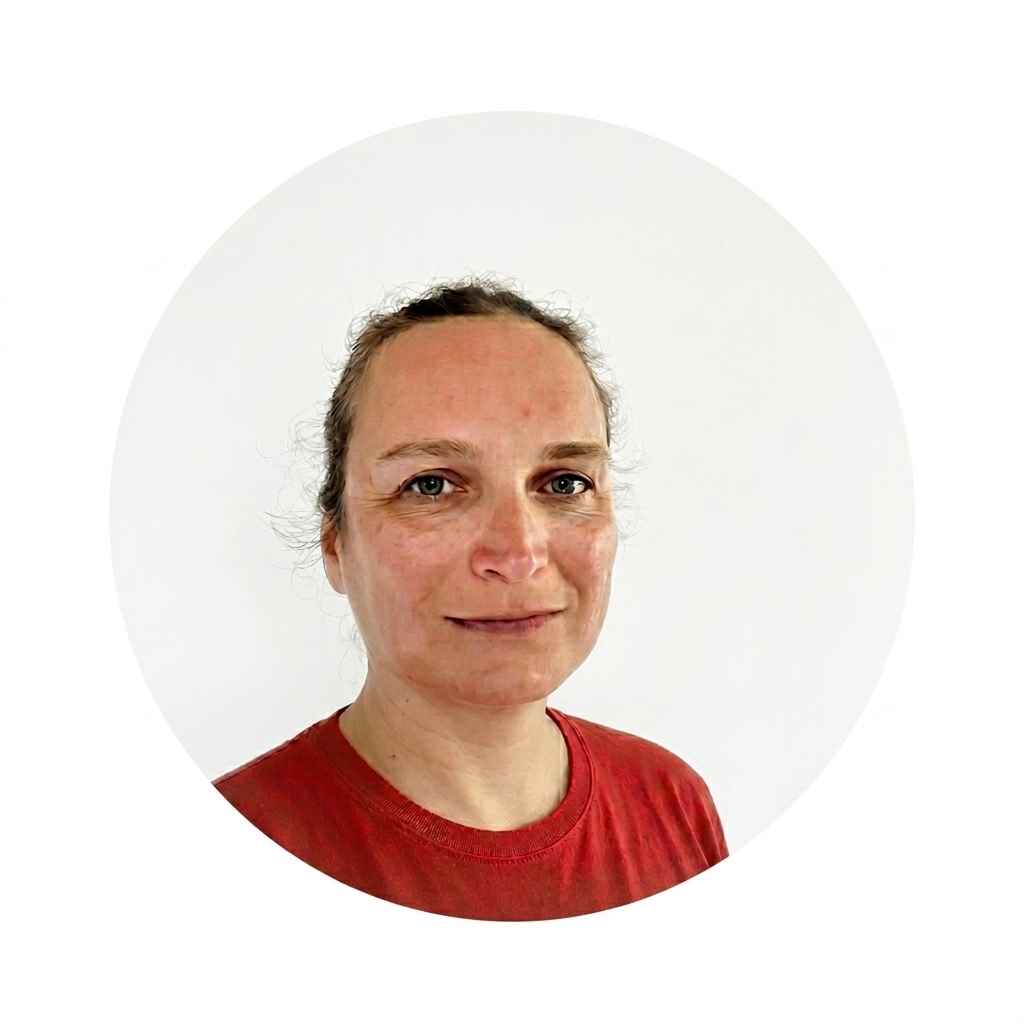
Teacher Trainer in Berlin
Traduttrice e interprete con la passione per l'insegnamento delle lingue straniere.

Teacher Trainer in Berlin
Matematico, ricercatore e data scientist con esperienza internazionale nella formazione avanzata.
Mainzer Straße 23, 10247 Berlino
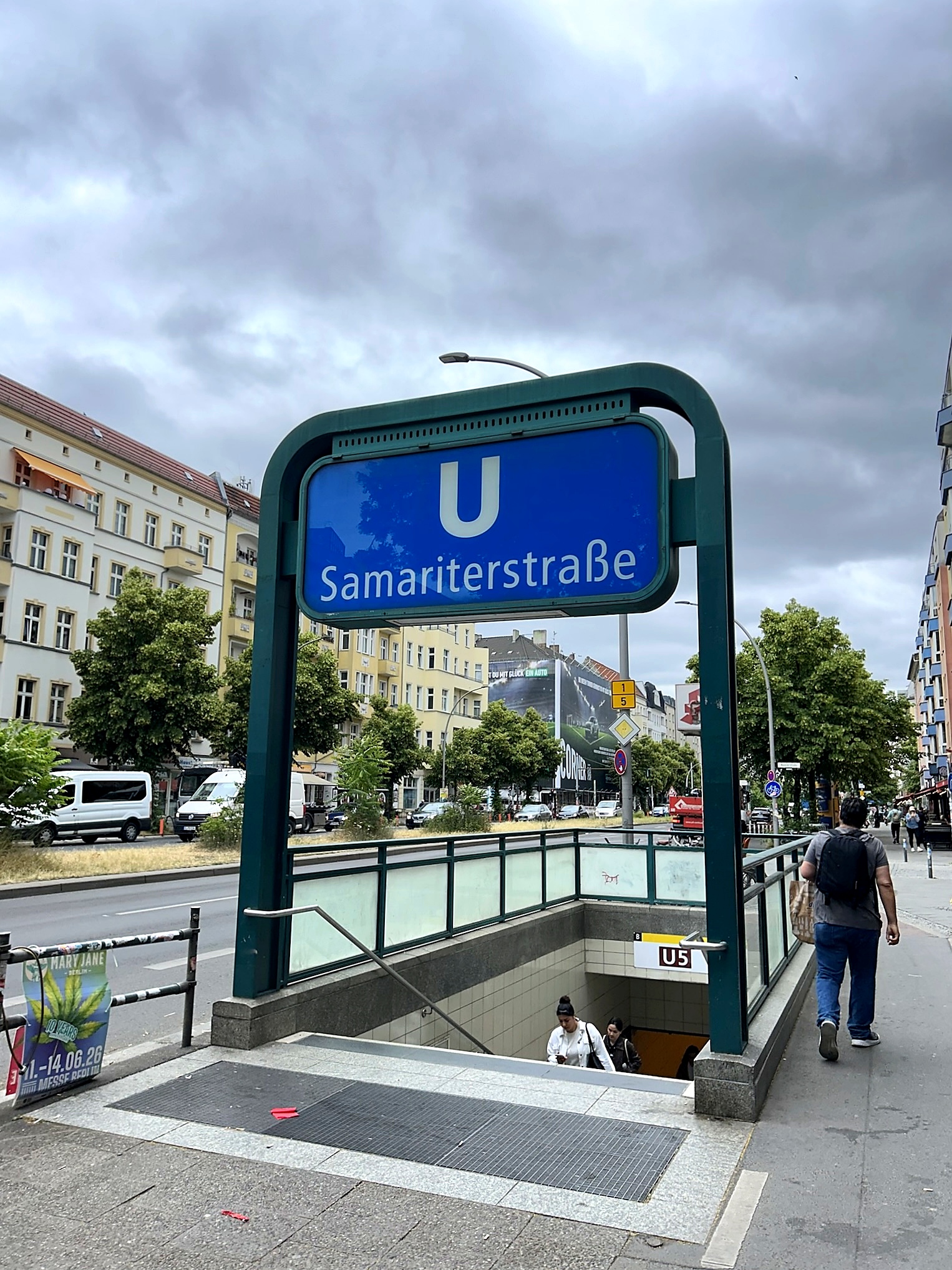
Friedrichshain, U5 Samariterstraße